





Design
My UW journey began with design. On admission, I planned to join my interests in ecology, community, and engineering in the field of architecture. I dove into architectural drawing with my first architecture studio class, ARCH 200, in Autumn 2020. The assignments were fascinating, rewarding, and strenuous.
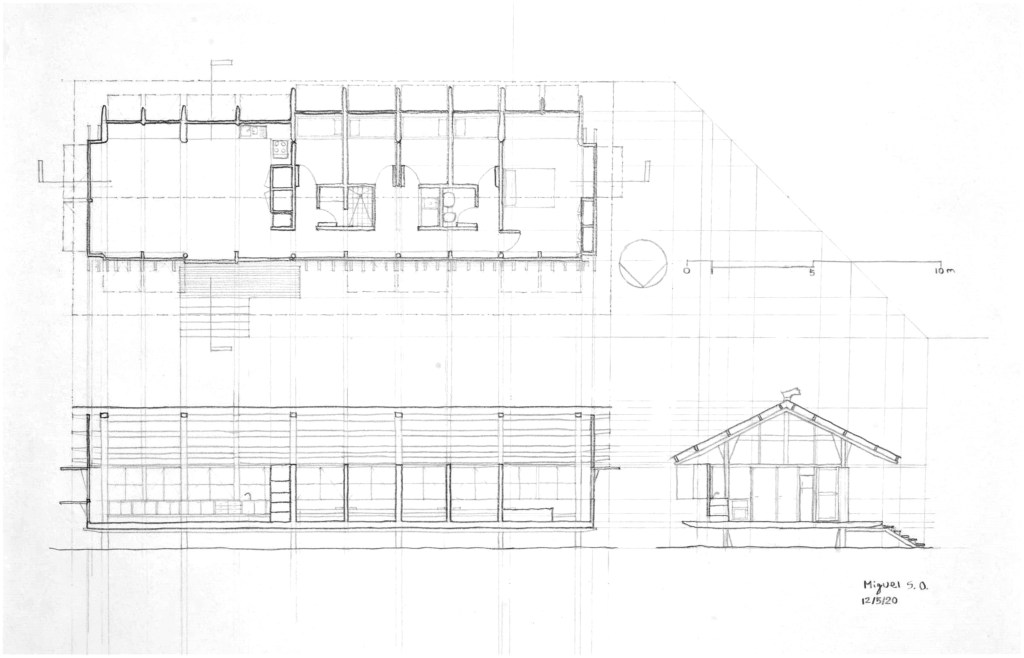
After some consideration, I chose to pursue landscape architecture due to its greater focus on ecology. I applied for the Bachelor of Landscape Architecture major and was admitted to begin in Fall 2022. Like the architecture classes I took early on, Landscape Architecture has been challenging, yet rewarding.

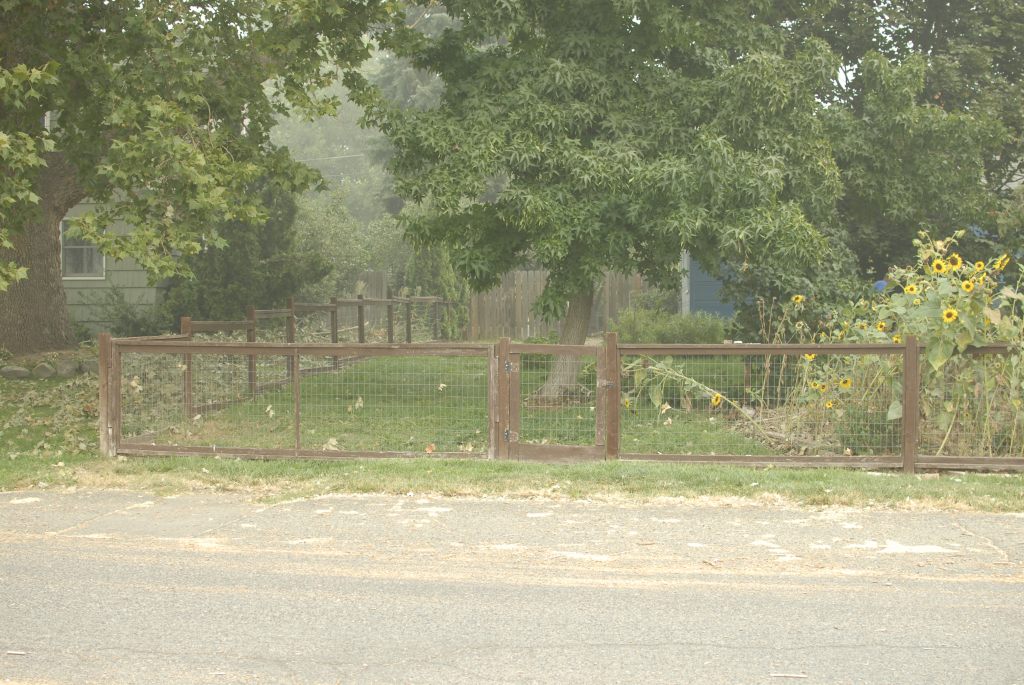
Design projects in my UW years have flowed in and out of the classroom since the beginning of my studies. In Autumn 2020, I was living with my family in Prosser, Washington. The sun was a deep orange due to wildfire smoke as I dug beds for a native plant garden at my parents’ home.
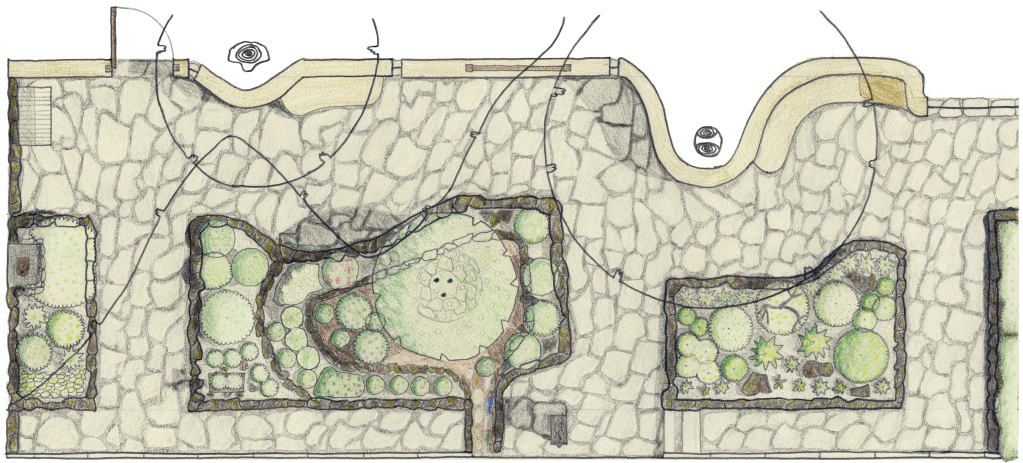
The World Culinary Garden project – a garden I designed for the UW Farm with Program on the Environment student Keya Roy – was an exciting opportunity to explore design, learn about culturally important culinary plants, and collaborate on a design with a like-minded student. This project brought together several of these critical themes – design, ecology, and activism – in a fulfilling project.
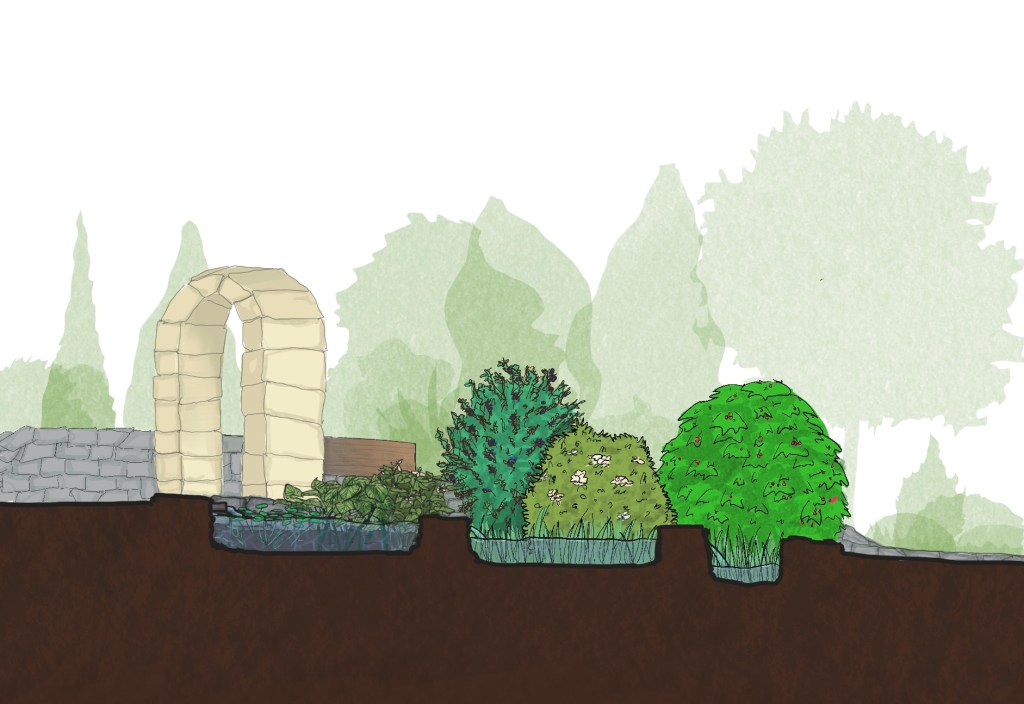
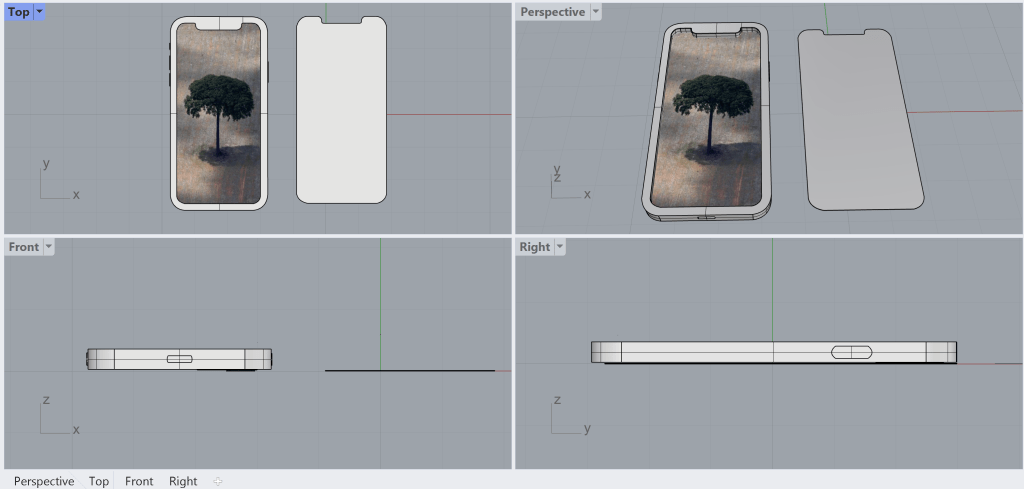
While my design journey at UW has largely been apart from my Honors classes – I’ve often used my Honors classes as opportunities to explore themes or ways of learning that contrast with my design education – there are some moments of overlap. In HONORS 211: The Politics and Practice of Making: Art as a Tool for Creating Change, I explored making practices in part through 3D modeling using Rhino, a tool I used in design courses as well, and learned about alternative art schools.
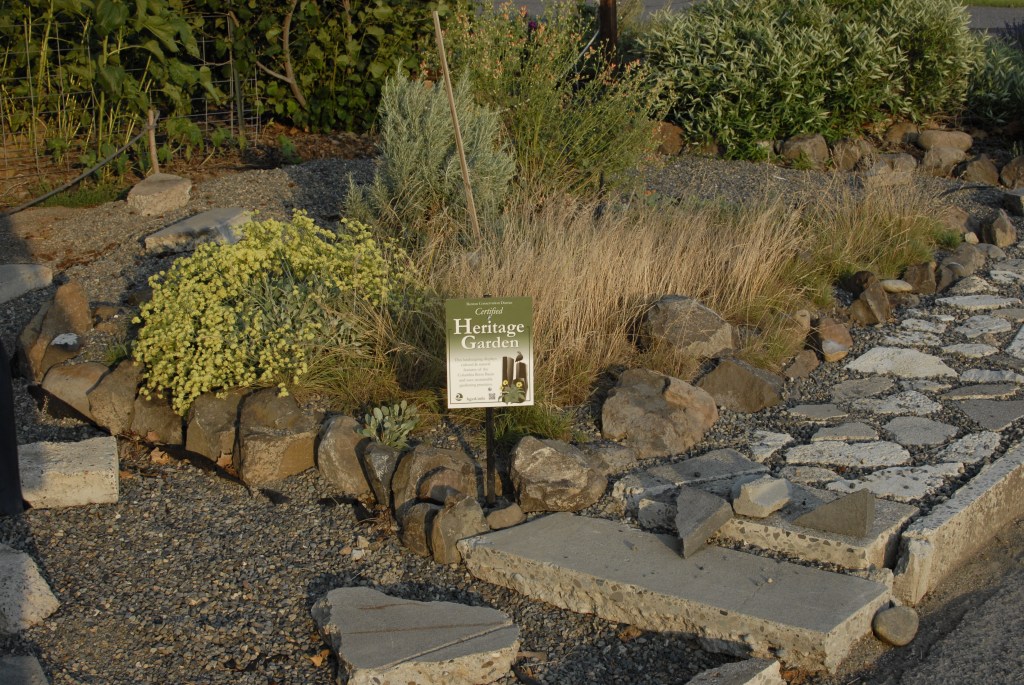
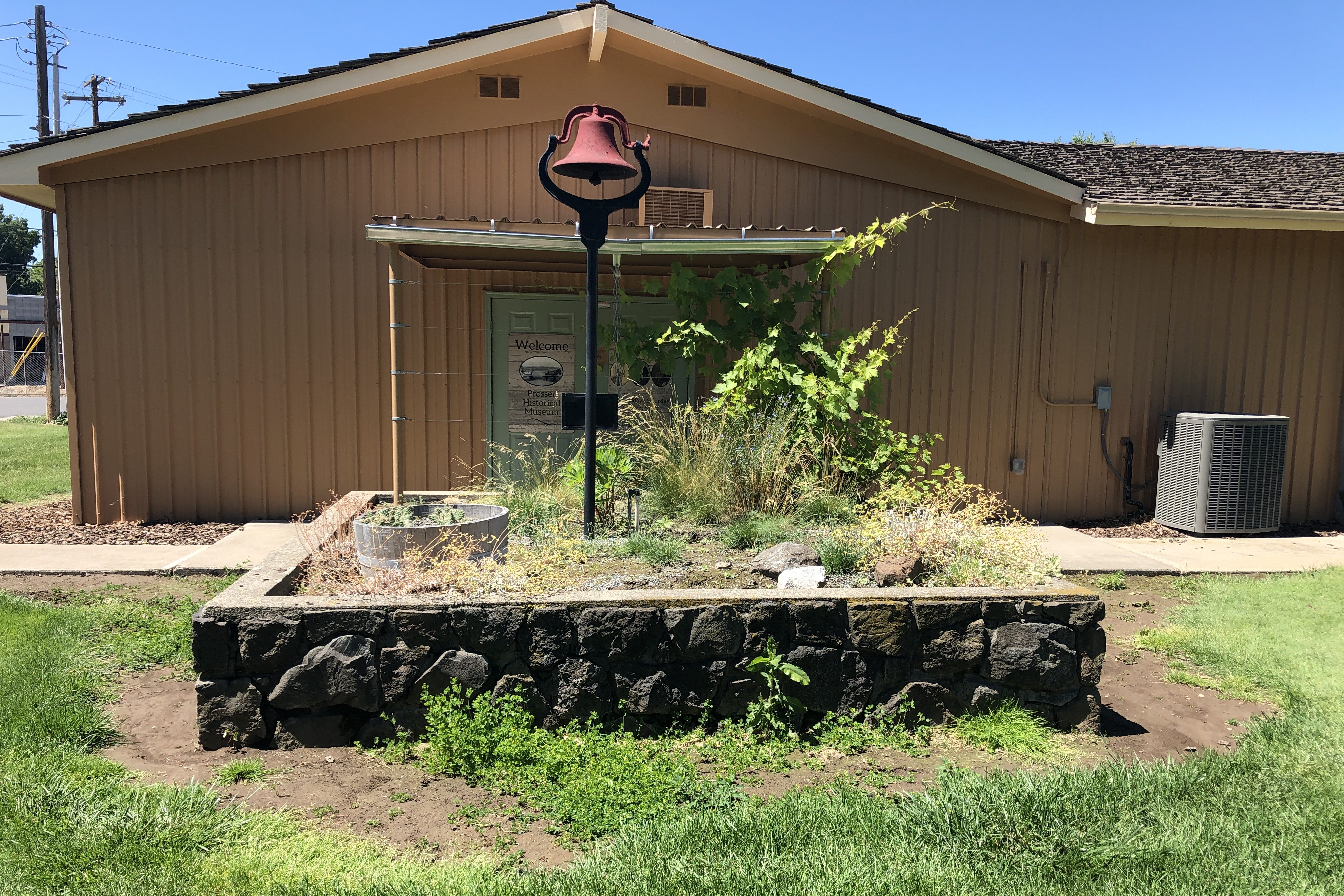
My first Honors Experiential Learning project was a very rewarding design project – a native plant garden for the Prosser Historical Museum in Prosser, Washington. In this design, I studied the ecological and social histories of Prosser and the surrounding “Columbia” Basin areas and selected plants with historical relevance to the area – all native plants except for the grape species planted at the back. I worked closely with museum Director-Curator Alys Means as I designed the garden.
 Woollypod Design