
Growing a Forest in the Ruins of a Sawmill: Reflections on the Spring 2025 SER Field Trip
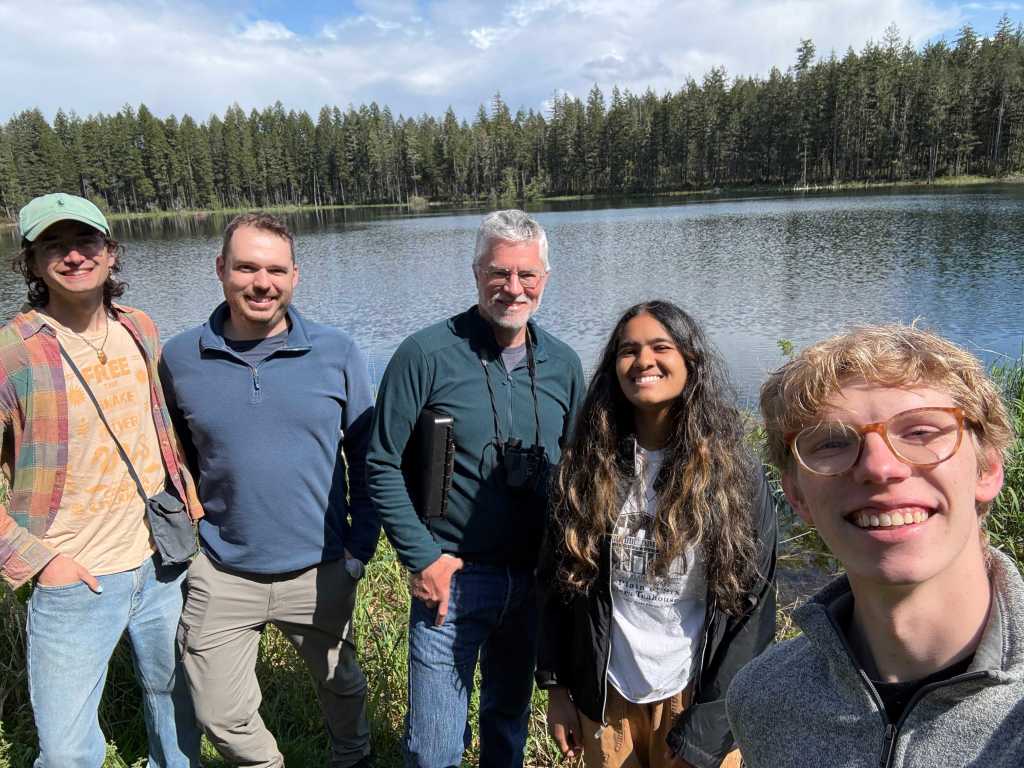
The Spring 2025 Society for Ecological Restoration (SER) Field Trip started, as many other field trips do, at the Burke Museum parking lot in the early morning. Soon, we assembled our crew (shaved down by illnesses and schedule changes) and took off toward the South Salish Sea region, where we would visit two sites – Woodard Bay Natural Resources Conservation Area (NRCA) and Oak Patch Natural Area Preserve (NAP).
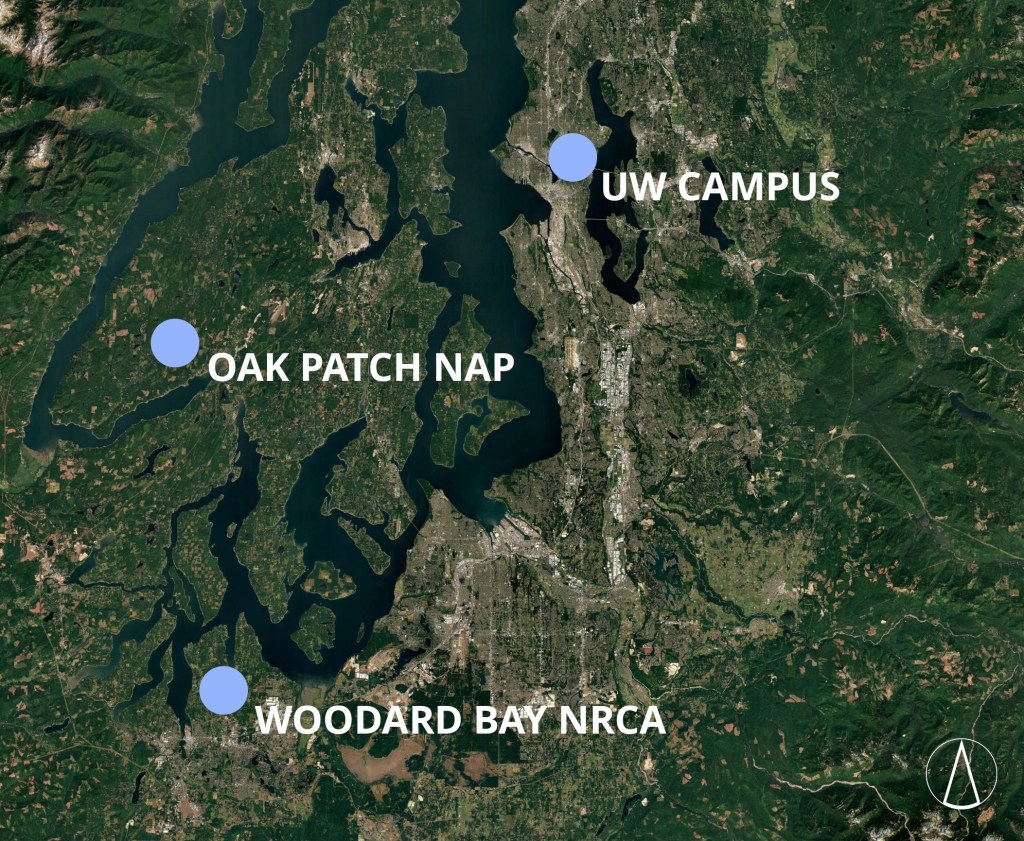
We had winding conversations about our restoration experience and environmental policy as we traveled down increasingly rural roads. Soon, we arrived at Woodard Bay NRCA, our first stop, and met our tour guide, Washington State Department of Natural Resources (DNR) Washington Natural Areas Program (NAP) Program Ecologist David Wilderman (nice case of nominative determinism, huh?).
To read the rest of this blog post, go to the SER UW Restoration Reflections blog!
 Woollypod Design